
2026-10-18 ·
Shingle vs. Metal Roofing: Factors to Compare for Johnson City, TN Homes
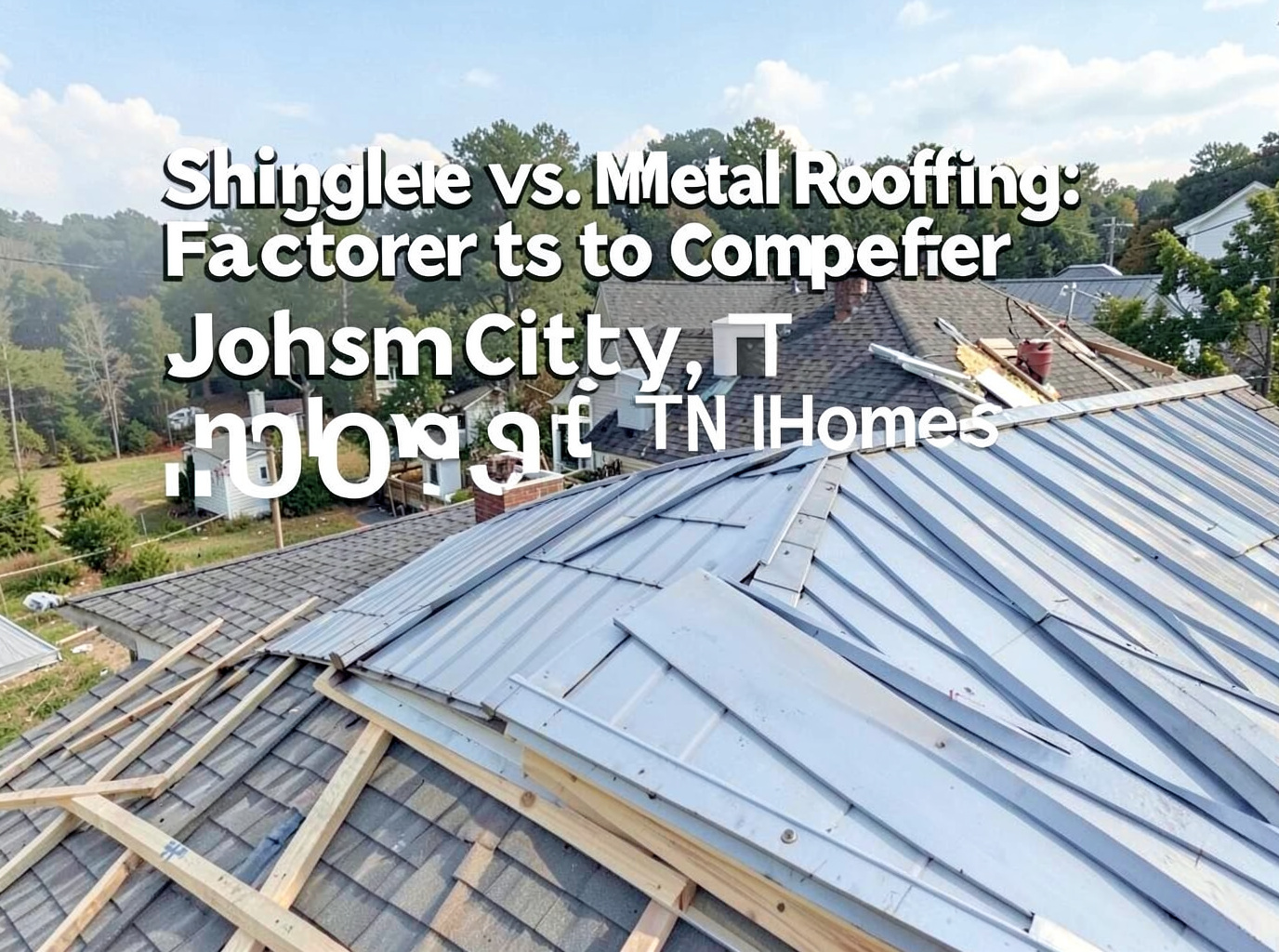
For Johnson City, TN homes, metal roofing generally delivers longer service life of 40–70 years and stronger resistance to the area’s four distinct seasons than asphalt shingles, which typically last 20–30 years, though metal carries higher initial material and labor costs of $8–$14 per square foot versus $4–$7 for shingles.
Cost Breakdown for Local Homes
Homeowners in Washington County weigh material price against long-term replacement frequency when choosing between options. Asphalt shingles remain the lower-entry choice for many single-family homes in South Johnson City and North Johnson City where budgets favor quicker installation. Metal panels require more precise underlayment and fastening on steeper pitches common in older Downtown Johnson City stock, pushing labor higher. Over a 30-year window the reduced replacement cycle for metal can offset the premium, especially when storms hit nearby Kingsport or Elizabethton and trigger insurance claims. Financing through local lenders often covers the difference for metal on homes near East Tennessee State University where resale value matters. Concrete price ranges depend on roof size, pitch, and whether existing layers must be stripped first.
Lifespan and Weather Resistance
Johnson City’s humid subtropical conditions bring hot summers, freezing winters, heavy spring rains, and occasional ice events that test every roof differently. Metal roofing sheds snow load faster on homes in Boones Creek and resists wind-driven rain better along the Tweetsie Trail corridor where gusts funnel through valleys. Asphalt shingles can absorb moisture during prolonged humidity, leading to granule loss and earlier curling after 15–20 years. Four-season temperature swings cause expansion and contraction that metal accommodates through its standing seams while shingles may crack at nail points. Properties near Freedom Hall Civic Center often see accelerated wear from urban heat islands, favoring metal’s reflective surface. Both systems need proper ventilation, yet metal tolerates the region’s 40–50 inches of annual rainfall with fewer leak points when installed correctly.
Maintenance Needs in Washington County
Routine inspections matter more than material type once a roof is five years old. Shingle roofs in South Roan Street Area require checking for lifted tabs after high winds and clearing debris from valleys twice yearly. Metal roofs need occasional screw tightening and sealant checks around penetrations but avoid moss growth common on north-facing slopes in North Johnson City. Winter roof care becomes critical when ice dams form along eaves in Bristol or Gray; metal’s smooth surface reduces dam size compared with textured shingles. Gutter cleaning remains essential for both systems to prevent water backup against flashing. Owners in Elizabethton and Piney Flats report fewer service calls on metal after the first decade when proper ridge vent installation is verified.
Energy and Aesthetic Fit for Local Neighborhoods
Light-colored metal panels reflect summer heat effectively on homes in Central Johnson City and West Johnson City, lowering attic temperatures during humid months. Darker shingles absorb heat yet blend with the brick and frame architecture prevalent near Jonesborough and Unicoi. Metal’s limited color palette still allows standing-seam profiles that suit historic downtown structures while asphalt offers more texture options for newer subdivisions in Gray. Both materials can incorporate ridge ventilation to manage moisture in the county’s variable humidity. Homeowners weighing curb appeal against utility savings often visit material displays at local suppliers before deciding.
Installation Realities Across Service Areas
Roof pitch, existing deck condition, and access on hilly lots in West Walnut Area dictate crew time and safety measures. Asphalt shingle roof replacement proceeds faster on straightforward gables while metal roofing installation demands specialized seam tools and edge detailing suited to Washington County wind zones. Crews serving Bristol and Greeneville schedule around afternoon thunderstorms common in summer. Proper flashing at chimneys and valleys prevents the majority of callbacks regardless of material chosen. Homeowners in Downtown Johnson City benefit from pre-installation photos documenting any deck repairs before new covering begins.